Multi-media Filter: Working Principle & Selection Guide for Industrial Water Treatment
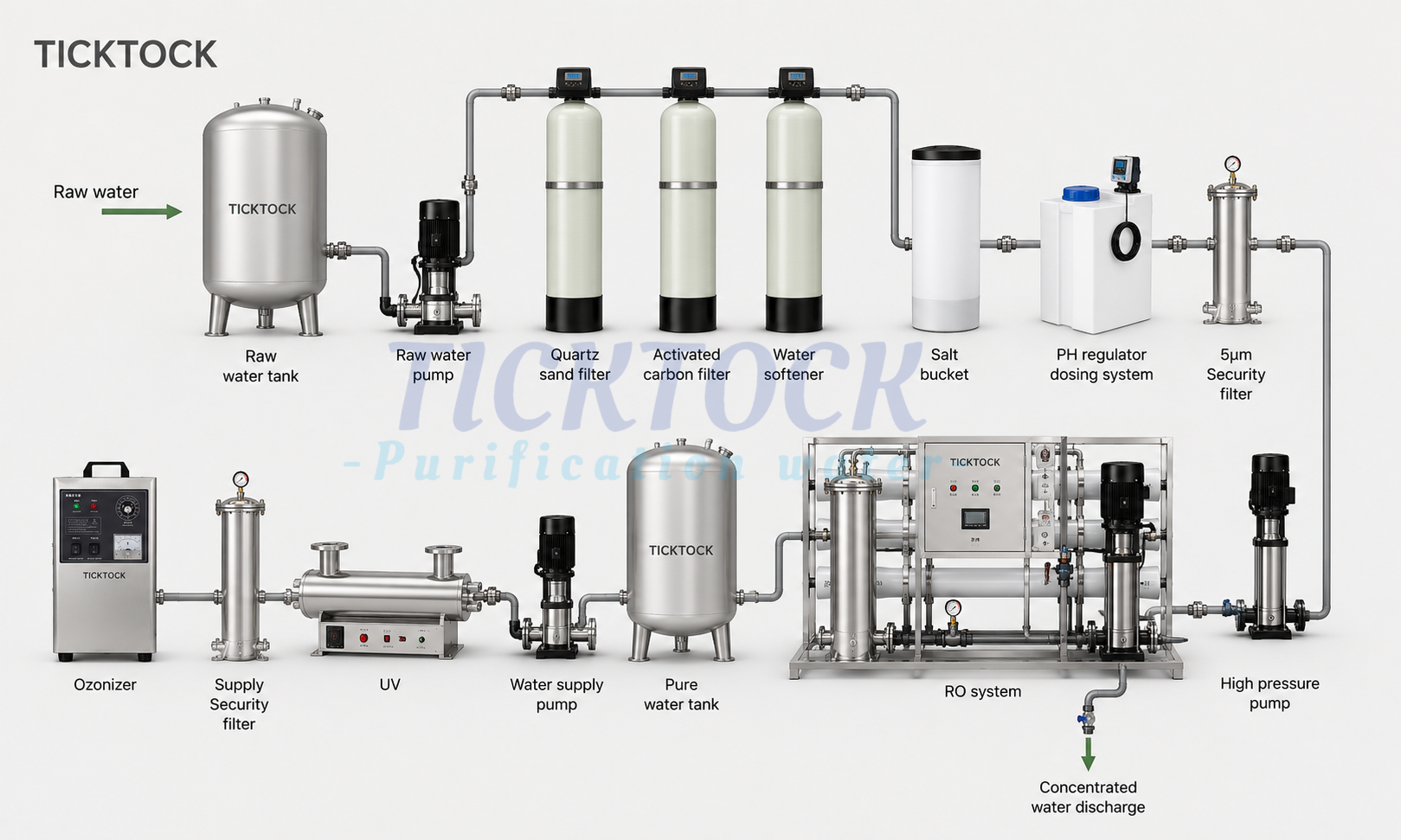
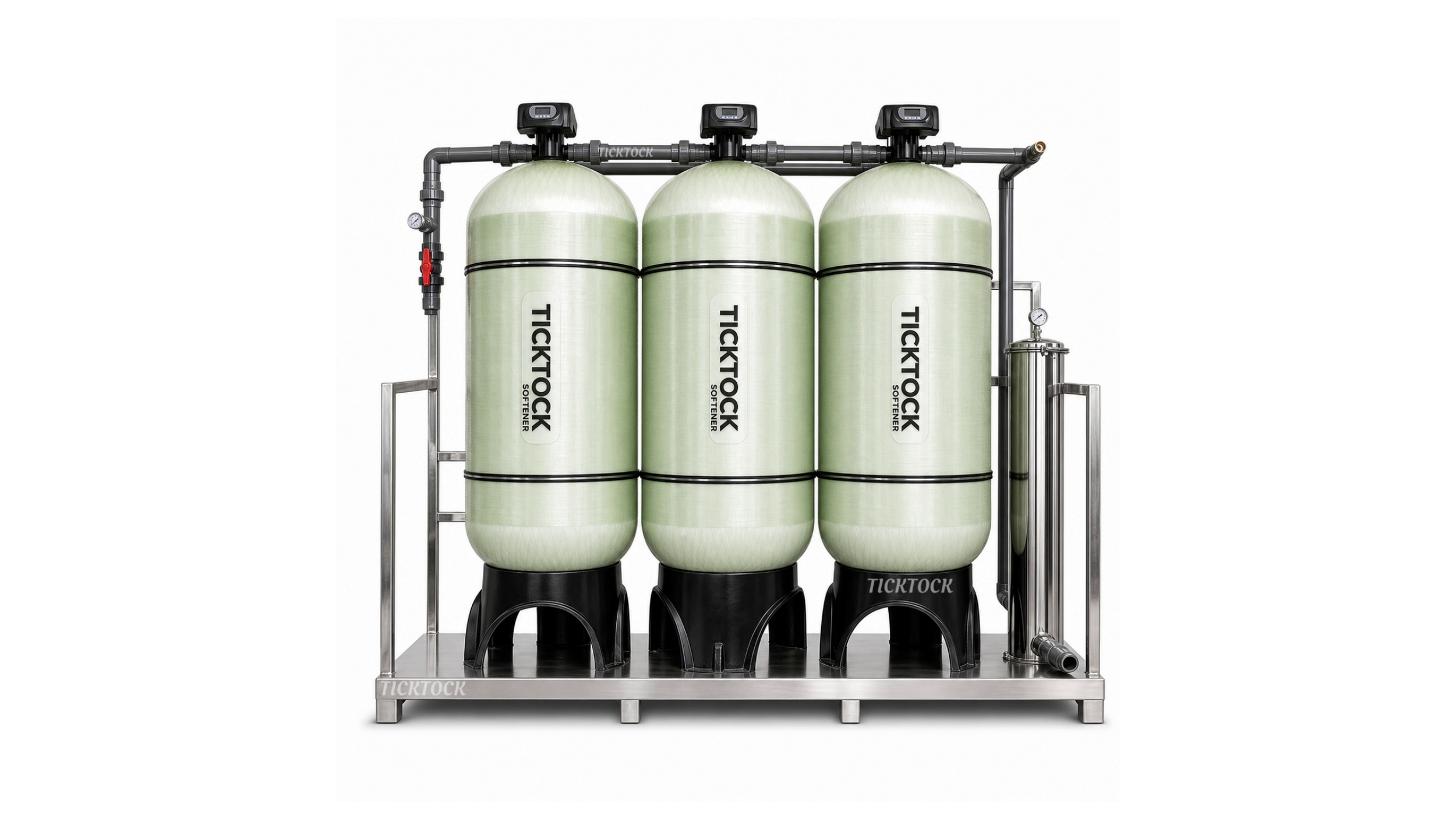
Multi-media filter is widely used as the first-stage pre-treatment equipment in industrial water treatment lines, reverse osmosis systems and ultrafiltration projects. It is also called sand filter, filled with graded filter media such as quartz sand, anthracite and garnet inside the pressure tank.
Working Principle
Raw water flows into the filter tank from the top and passes through multiple layers of filter material from top to bottom. Large particles of sediment, rust, suspended solids and colloids are trapped layer by layer by the filter media. The clarified water flows out from the bottom outlet. When the filter media is blocked and the pressure difference rises to the set value, the backwashing procedure will start automatically. Backwash water flushes the filter bed to release intercepted dirt, then drains the wastewater out. After backwashing, the filter restores its filtration capacity and continues to run.
Main Benefits
- Reduce raw water turbidity, protect downstream RO membrane and UF membrane
- Stable filtration performance, low operation cost
- Automatic backwash design, easy daily maintenance
- Carbon steel epoxy lined or FRP tank optional, good corrosion resistance
How to Select a Suitable Multi-media Filter
- Design Flow Rate: Confirm the hourly water yield of your whole water treatment system. The filter flow must match the follow-up equipment.
- Raw Water Quality: Check raw water turbidity, sediment content. Higher turbidity needs larger filter area or pre-sedimentation.
- Tank Material: FRP tank for light-duty projects; carbon steel with epoxy coating for heavy industrial, high flow working conditions.
- Control Mode: Manual valve for small capacity; automatic multi-valve or automatic backwash valve for large industrial projects.
- Filter Media Configuration: Standard combination: anthracite + quartz sand + garnet for better graded filtration.
Typical Application
Reverse osmosis pre-treatment, underground well water purification, river water treatment, recycling water filtration, mining wastewater pre-treatment, food and beverage water pretreatment.
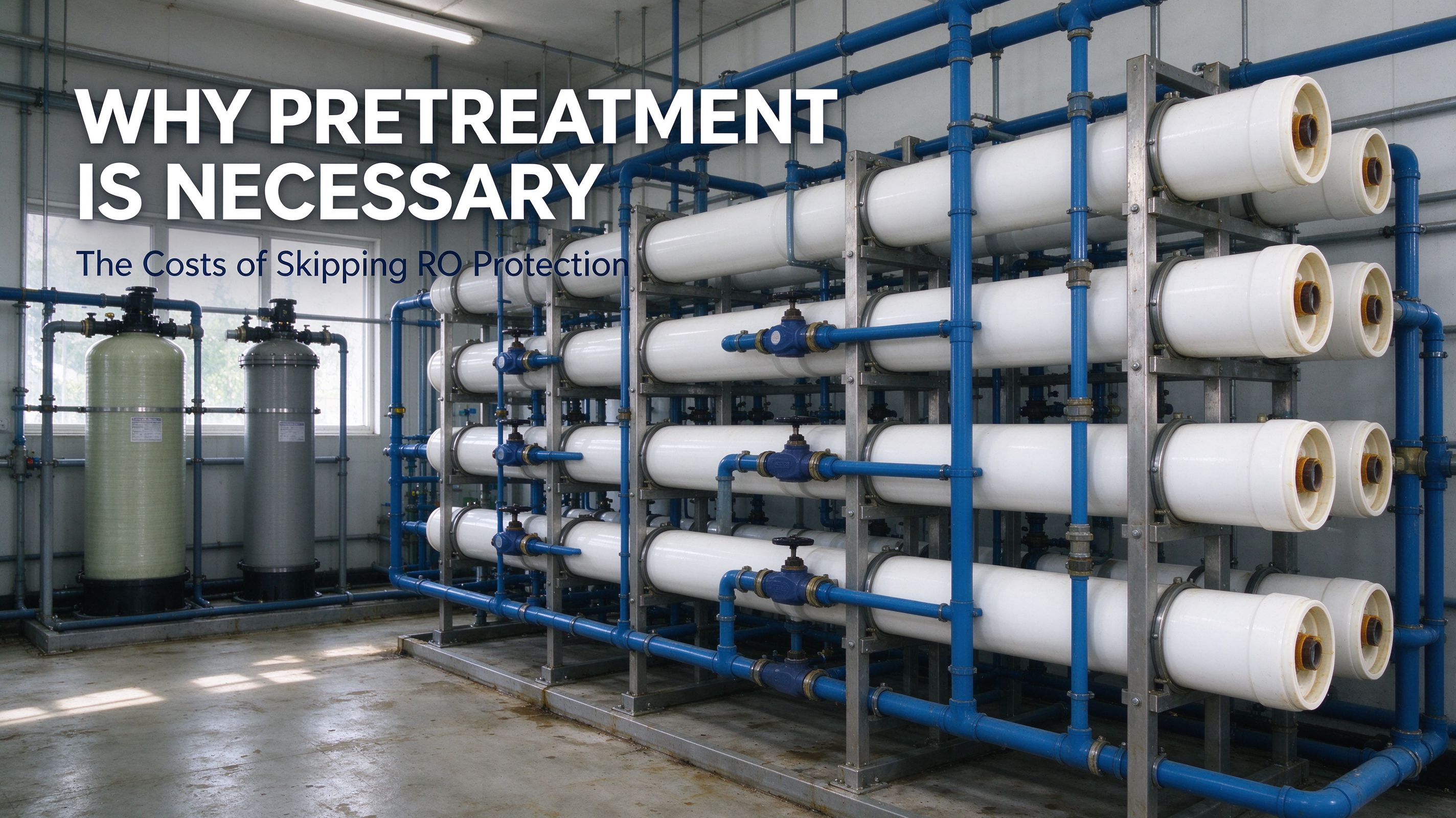
A properly matched multi-media filter can greatly extend the service life of your membrane elements and cut your overall system running cost.
FAQ
Q1: What is the difference between multi-media filter and sand filter? A: The sand filter usually only fills quartz sand. The multi-media filter adopts graded composite filter media (anthracite, quartz sand, garnet), which has higher dirt holding capacity and better filtration effect.
Q2: When does the multi-media filter need backwashing? A: It starts backwashing when the pressure difference between inlet and outlet reaches the set value, or according to the preset time cycle.
Q3: Can multi-media filter remove heavy metals? A: It mainly removes suspended solids, sediment and turbidity. It cannot effectively dissolve heavy metals. If heavy metal removal is required, other processes need to be added.
Q4: What is the service life of filter media? A: Under normal working conditions, the filter media can be used for 2–3 years. It needs to be replaced when the filtration effect drops obviously.
Q5: Which tank material should I choose, FRP or carbon steel? A: FRP is suitable for small and medium-sized projects with low pressure. Carbon steel with epoxy lining is recommended for large flow, heavy industrial working conditions.